


Please Leave Us A Message
Privacy statement: Your privacy is very important to Us. Our company promises not to disclose your personal information to any external company with out your explicit permission.


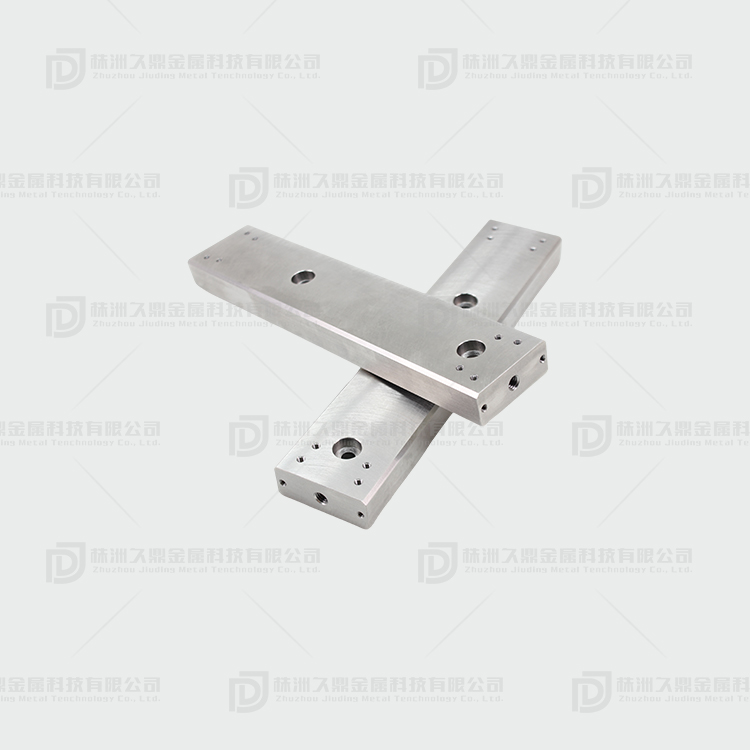
A tungsten alloy custom made product is a specialized component engineered with tungsten as its primary base material, tailored to meet exact specifications for density, thermal resistance, and radiation shielding. Unlike standard off-the-shelf parts, custom tungsten alloy solutions are designed to solve unique engineering challenges in high-performance industries such as aerospace, medical equipment, and military applications.
These products leverage tungsten's exceptional properties—high density (up to 19.3 g/cm³), high melting point (3422°C), and excellent thermal stability—to deliver components that can withstand extreme environments. Whether you need precision counterweights, radiation shielding vials, or complex electronic heat sinks, custom tungsten alloys provide the reliability and performance required for critical applications.
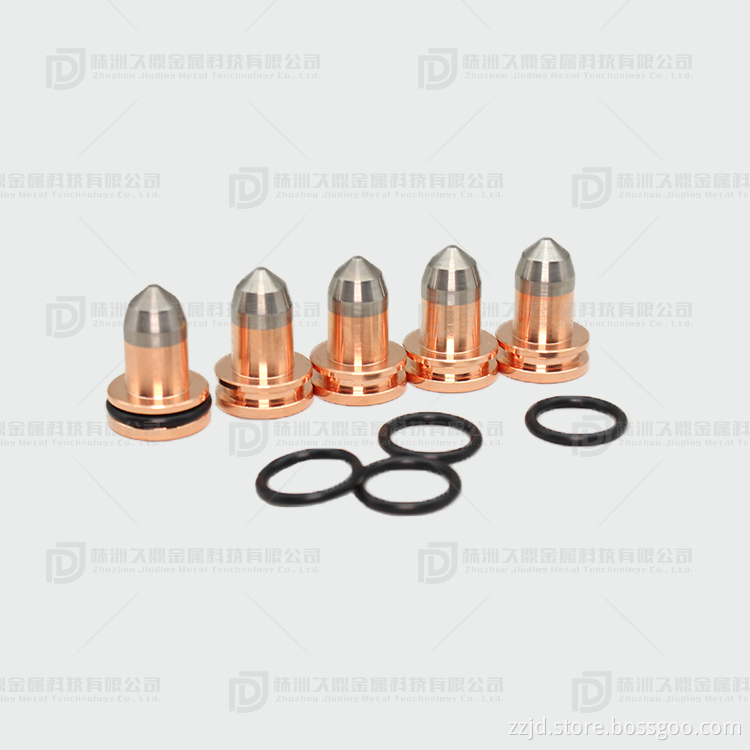
Our manufacturing facility operates under strict international standards, ensuring every tungsten heavy alloy component meets rigorous quality requirements. With certifications including ISO 9001, ISO 14001, ISO 45001, and ISO 13485, we guarantee consistent batch quality and traceability throughout the production process.
We utilize Metal Injection Molding (MIM) and advanced pressing techniques to produce both standard and complex non-elevation products with high precision and repeatability.
Our research group, led by materials science professors and senior engineers from Central South University, ensures our products remain at the leading edge of national and international technology.
Every product undergoes comprehensive testing for density, hardness, dimensional accuracy, and surface finish. Our quality-first approach means that all staff participate in continuous improvement, delivering reliable high-quality products that exceed customer expectations.
Selecting the right supplier for custom tungsten alloy products requires careful evaluation of technical capability, quality systems, and industry experience. Here are the key factors that determine whether a manufacturer can meet your specific application needs.
Look for suppliers offering multiple production methods including MIM, powder metallurgy, and CNC machining. This versatility allows them to handle complex geometries and tight tolerances.
Verify that your supplier holds relevant international certifications. ISO 13485 is essential for medical applications, while ISO 9001 demonstrates general quality management competence.
Choose manufacturers with demonstrated experience in your target industry. Suppliers serving aerospace, medical, or military sectors understand the stringent requirements these fields demand.
Additionally, evaluate the supplier's R&D capabilities and their ability to provide technical support throughout the product development cycle. A supplier with strong academic partnerships and experienced engineering teams can help optimize your design for manufacturability and cost efficiency.
Use this comprehensive checklist when evaluating potential suppliers for your tungsten alloy procurement needs. Each item helps ensure you select a partner who can deliver the quality, reliability, and value your project requires.
Tungsten alloy custom made products serve diverse industries where superior material properties are critical. From medical devices to aerospace components, these alloys provide unmatched performance in demanding environments.
Tungsten alloy syringes, shielding vials, and collimators benefit from the material's high density and radiation absorption properties. ISO 13485 certification ensures compliance with medical device regulations.
Counterbalance weights, ballistic components, and penetrating projectiles use tungsten heavy alloys for their exceptional density and kinetic energy. Military-grade specifications require precise material consistency.
Downhole weighting tools and stabilization bars rely on tungsten copper and tungsten alloys for durability in high-temperature, high-pressure drilling environments.
High-performance fishing sinkers, dart barrels, and golf club heads use tungsten alloys for compact weight distribution and improved balance in sporting goods.
Heat sinks, electrical contacts, and electrode components utilize tungsten-copper composites for their excellent thermal conductivity and matched coefficient of thermal expansion.
Bucking bars, swaging rods, and boring bars benefit from tungsten carbide's extreme hardness and wear resistance in precision machining applications.
Buyers sourcing tungsten alloy custom made products frequently encounter challenges related to quality inconsistency, specification mismatches, and supply chain reliability. Understanding these common issues helps you avoid costly mistakes.
Density variations typically result from differences in alloy composition ratios (Ni/Cu/Fe) and manufacturing processes. Reputable suppliers maintain strict control over raw material purity and sintering conditions. Always request material test reports specifying actual density measurements rather than theoretical values.
Consistent quality requires suppliers with established quality management systems. Look for manufacturers holding ISO 9001 certification with documented procedures for incoming material inspection, in-process monitoring, and final product testing. Request batch-to-batch comparison data before committing to large orders.
Delays often stem from inadequate production capacity planning or insufficient technical expertise to handle complex geometries. Suppliers with Metal Injection Molding (MIM) capabilities and experienced engineering teams can better manage custom orders. Establish clear timelines and communication protocols during the quotation phase.
While tungsten itself is non-toxic and environmentally friendly, proper handling procedures should be followed. Suppliers certified under ISO 14001 demonstrate commitment to environmental management throughout their operations. Discuss end-of-life disposal requirements with your supplier to ensure compliance with local regulations.
When selecting a tungsten alloy manufacturer, prioritize partners who combine decades of industry experience with modern production technology and certified quality systems. The ideal supplier offers comprehensive technical support alongside reliable delivery capabilities.
Look for companies operating since the early 2000s with deep roots in the tungsten industry. Long-standing manufacturers like Zhuzhou Jiuding Metal Technology Co., Ltd. bring over two decades of accumulated knowledge in tungsten heavy alloy, tungsten copper, and cemented carbide production.
Choose suppliers investing in advanced processes like Metal Injection Molding (MIM) and collaborating with leading universities. Partnerships with institutions like Central South University provide access to cutting-edge research and skilled engineering talent for complex custom projects.
Verified suppliers with proven export experience to developed markets (America, Canada, Japan) understand international quality expectations and regulatory requirements. This global track record indicates reliable production standards and professional business practices.
The best suppliers treat customer satisfaction as their core working criterion. They offer sincere service, maintain open communication channels, and strive to exceed—not just meet—customer expectations through continuous improvement and staff participation in quality initiatives.
Get answers to the most common questions buyers ask about tungsten alloy custom made products, manufacturing capabilities, and procurement best practices.
Pure tungsten contains 99.7%+ tungsten and is used for its high melting point and electrical conductivity. Tungsten heavy alloys (WHA) combine tungsten with binding metals like nickel, copper, or iron to achieve higher density (16-19 g/cm³) and improved mechanical properties for applications requiring maximum weight in minimal space.
Yes, advanced manufacturing technologies including Metal Injection Molding (MIM) and precision machining enable production of standard and complex non-standard products. Suppliers with MIM capabilities can create intricate geometries with tight tolerances that traditional casting methods cannot achieve.
Essential certifications include ISO 9001 (quality management), ISO 14001 (environmental management), and ISO 45001 (occupational health and safety). For medical applications, ISO 13485 is mandatory. These certifications demonstrate the supplier's commitment to consistent quality and responsible operations.
Lead times vary based on product complexity, order quantity, and current production schedule. Standard items may ship within 2-4 weeks, while custom components requiring specialized tooling or processing could take 6-12 weeks. Discuss specific timeline requirements during the quotation phase to ensure alignment with your project schedule.
Tungsten alloys are non-toxic and environmentally friendly, making them suitable for various applications. However, medical device components must comply with specific biocompatibility standards. Ensure your supplier has relevant certifications and can provide documentation verifying material safety for your intended use case.
Tungsten alloys offer superior density compared to steel, brass, or lead, allowing for more compact counterweight designs. Unlike lead, tungsten is non-toxic and environmentally safe. While depleted uranium has slightly higher density, tungsten provides an excellent balance of performance, safety, and regulatory compliance for most industrial applications.
About Us
Related Products List
Contact Us

Privacy statement: Your privacy is very important to Us. Our company promises not to disclose your personal information to any external company with out your explicit permission.
Fill in more information so that we can get in touch with you faster
Privacy statement: Your privacy is very important to Us. Our company promises not to disclose your personal information to any external company with out your explicit permission.