


Please Leave Us A Message
Privacy statement: Your privacy is very important to Us. Our company promises not to disclose your personal information to any external company with out your explicit permission.



A tungsten alloy tube is a high-performance hollow structural component manufactured from an alloy primarily composed of tungsten, typically combined with nickel, iron, or copper. Unlike pure tungsten, which is brittle and difficult to process, tungsten alloys offer a unique combination of extreme density, thermal stability, and radiation shielding capabilities in a tubular form factor.
These tubes are engineered for applications where space is at a premium but performance cannot be compromised. The hollow design allows for the passage of fluids, gases, or electrical components while maintaining the material's inherent resistance to high temperatures and corrosive environments. For procurement specialists, choosing a tungsten alloy tube means selecting a material that can replace heavier lead-based solutions without sacrificing protection, thereby reducing overall system weight and improving efficiency.
Zhuzhou Jiuding Metal Technology Co., Ltd. leverages advanced pressing and sintering technologies to produce these tubes with precise dimensional tolerances and consistent microstructures, ensuring they meet the rigorous demands of aerospace, medical, and industrial sectors.
With over two decades of experience since 2001, we utilize state-of-the-art Metal Injection Molding (MIM) and precision pressing technologies. This allows us to manufacture complex geometries and standard sizes with high consistency, reducing your supply chain risk and ensuring batch-to-batch uniformity.
Our commitment to quality is certified by ISO 9001, ISO 14001, ISO 45001, and ISO 13485. These international standards ensure that every tungsten alloy tube meets strict global compliance requirements for safety, environmental impact, and medical device manufacturing, simplifying your audit processes.
Backed by a research team led by materials science professors and senior engineers, along with close ties to Central South University, we provide more than just products. We offer technical support and custom formulation options, helping you optimize your designs for specific density or thermal requirements.
Manufacturing tungsten alloy tubes requires precise control over powder metallurgy processes to achieve optimal density and mechanical properties. Our production line integrates advanced equipment for mixing, pressing, and sintering, followed by rigorous machining to ensure dimensional accuracy.
We source high-purity raw materials to ensure the tungsten content and alloying elements (Ni, Fe, Cu) are within strict tolerances. This precision guarantees consistent physical properties, such as density ranging from 16.5 to 18.0 g/cm³, depending on the specific alloy grade required for your application.
Post-sintering, our tubes undergo precision machining to achieve tight tolerances on outer diameter, inner diameter, and wall thickness. This capability ensures that our products fit seamlessly into your existing assemblies without requiring secondary modifications, saving time and labor costs.
Every batch undergoes comprehensive testing, including density measurement, tensile strength analysis, and surface inspection. Our ISO 13485 certification further validates our quality management system for medical applications, providing you with full traceability and documentation for regulatory compliance.
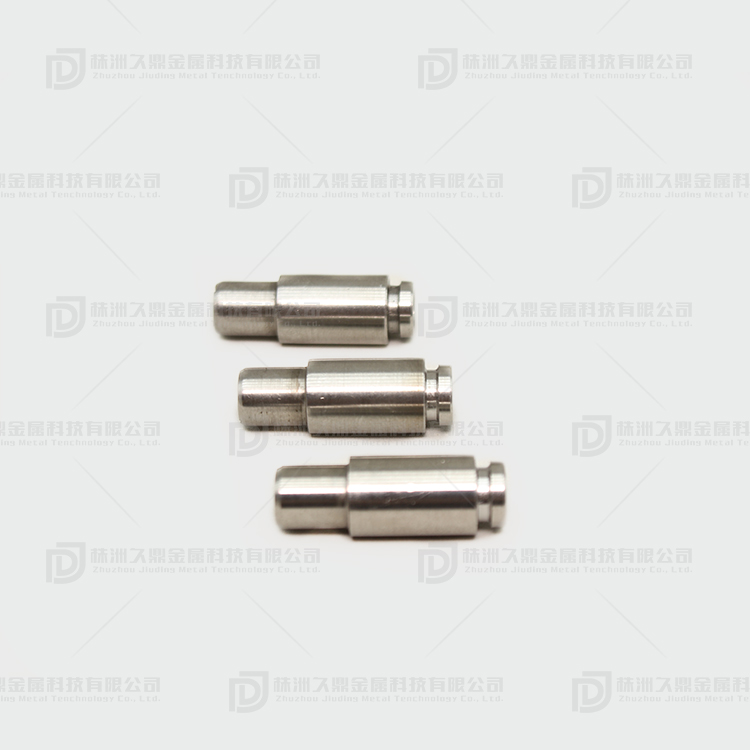
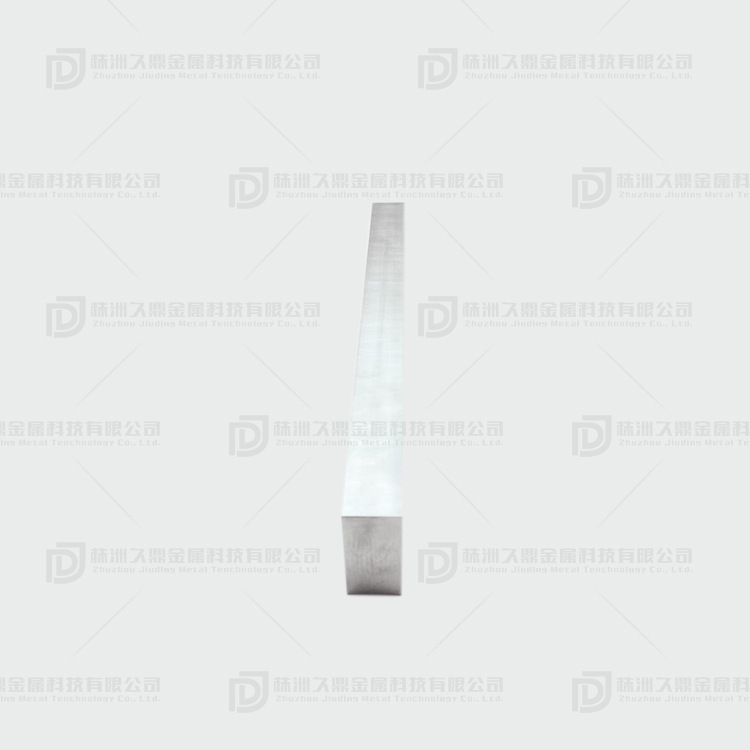
Selecting the appropriate tungsten alloy tube involves balancing several technical parameters against your application's specific needs. Understanding these factors helps you avoid over-specifying (which increases cost) or under-specifying (which risks failure).
The primary driver for choosing tungsten alloys is often density. Higher tungsten content yields higher density, providing better radiation shielding or counterbalance mass in a smaller volume. Determine if you need standard density (16.5-17.0 g/cm³) or high density (17.5-18.0 g/cm³) based on your shielding calculations or weight requirements.
If your application involves high temperatures, consider the alloy's melting point and thermal expansion coefficient. Tungsten alloys retain their strength at temperatures where other metals soften. Specify the maximum operating temperature to ensure the tube maintains its structural integrity.
While tungsten alloys are generally corrosion-resistant, the choice of binder metal (Nickel-Iron vs. Nickel-Copper) affects performance in specific chemical environments. Nickel-Copper alloys offer superior resistance to acidic environments, making them ideal for medical and chemical processing applications.
Define your critical dimensions clearly. Standard tubes may have looser tolerances, but precision-machined tubes offer tighter controls on ID, OD, and straightness. Discuss your tolerance requirements early to ensure manufacturability and cost-effectiveness.
Used in radiotherapy collimators, X-ray shielding components, and brachytherapy applicators. The high density provides effective radiation protection in compact spaces, crucial for patient safety and operator protection in medical imaging suites.
Employed in aircraft counterweights, missile guidance systems, and radar shielding. The high density allows for significant weight reduction compared to traditional lead weights, improving fuel efficiency and maneuverability.
Utilized in downhole tools and logging instruments where high temperature and pressure resistance are critical. Tungsten alloy tubes withstand harsh downhole environments while providing necessary weighting for drilling operations.
Applied in heat sinks, electrode components, and semiconductor manufacturing equipment. The excellent thermal conductivity and electrical properties make them ideal for managing heat in high-power electronic devices.
Used in high-end golf club heads, fishing weights, and dart barrels. The compact size and high density allow for optimized weight distribution in sports equipment, enhancing performance and user control.
Ideal for crane counterweights, elevator balance weights, and marine ballast. The reduced volume requirement compared to steel or lead saves space and allows for more flexible design configurations in heavy machinery.
When sourcing tungsten alloy tubes, it is crucial to partner with a manufacturer that combines deep technical expertise with robust quality systems. Zhuzhou Jiuding Metal Technology Co., Ltd. stands out as a reliable partner due to its comprehensive capabilities and proven track record.
As a specialist in refractory metals and tungsten alloys, we offer a wide range of products including tungsten heavy alloys, tungsten copper, and various specialized forms. This breadth allows us to provide integrated solutions for complex projects, reducing the need for multiple suppliers.
Our products are widely used in demanding markets including America, Canada, Japan, and Europe. We understand international trade requirements, packaging standards, and logistics, ensuring smooth delivery and compliance with local regulations.
We prioritize customer satisfaction through sincere service and technical collaboration. Our team is dedicated to understanding your specific needs and providing tailored solutions, whether for standard catalog items or custom-engineered components. We aim to exceed expectations through competitive pricing, high-quality products, and responsive communication.
Tungsten alloy tubes offer significantly higher density (up to 1.7 times that of lead) in a smaller volume, leading to more compact designs. They also have superior mechanical strength, higher melting points, and better corrosion resistance. Additionally, tungsten is non-toxic, addressing environmental and health concerns associated with lead.
Yes, we specialize in both standard and custom-manufactured tungsten alloy tubes. Using advanced pressing, sintering, and machining technologies, we can produce tubes with specific outer diameters, inner diameters, lengths, and wall thicknesses to meet your exact specifications.
Lead times vary depending on the complexity of the order, required quantities, and specific customization needs. Standard sizes may be available from stock for faster delivery. For custom orders, please contact our sales team for a detailed timeline based on current production capacity.
Yes, tungsten alloys maintain their structural integrity and strength at very high temperatures, far exceeding the capabilities of many other metals. This makes them ideal for applications in aerospace, nuclear, and high-temperature industrial environments.
Our company is certified to ISO 9001 (Quality Management), ISO 14001 (Environmental Management), ISO 45001 (Occupational Health and Safety), and ISO 13485 (Medical Devices). These certifications ensure our products meet the highest international standards for quality and safety.
While the initial cost per kilogram may be higher than some conventional metals, tungsten alloy tubes often provide a lower total cost of ownership due to their durability, longer service life, and reduced volume requirements. Their performance benefits in critical applications usually justify the investment.
About Us
Related Products List
Contact Us

Privacy statement: Your privacy is very important to Us. Our company promises not to disclose your personal information to any external company with out your explicit permission.
Fill in more information so that we can get in touch with you faster
Privacy statement: Your privacy is very important to Us. Our company promises not to disclose your personal information to any external company with out your explicit permission.