


Please Leave Us A Message
Privacy statement: Your privacy is very important to Us. Our company promises not to disclose your personal information to any external company with out your explicit permission.



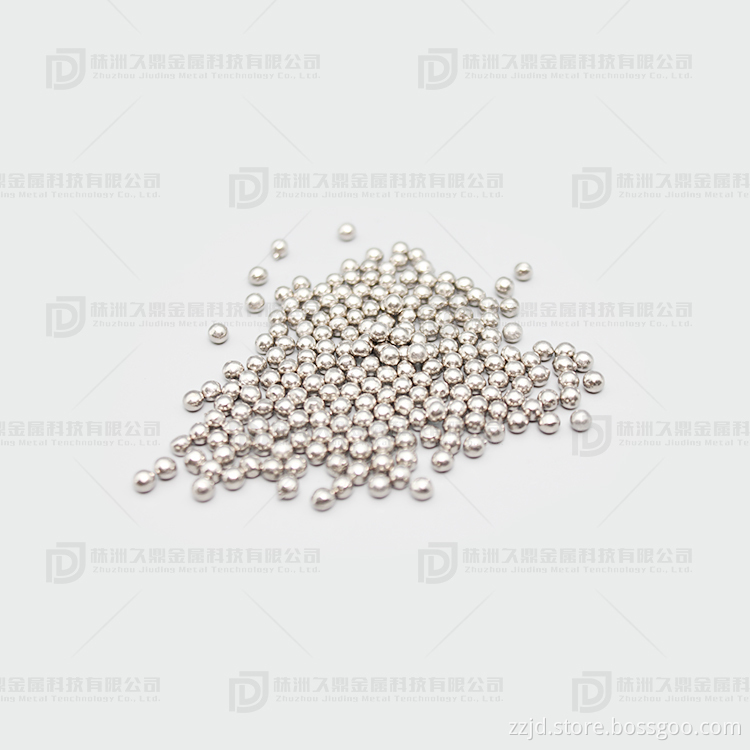
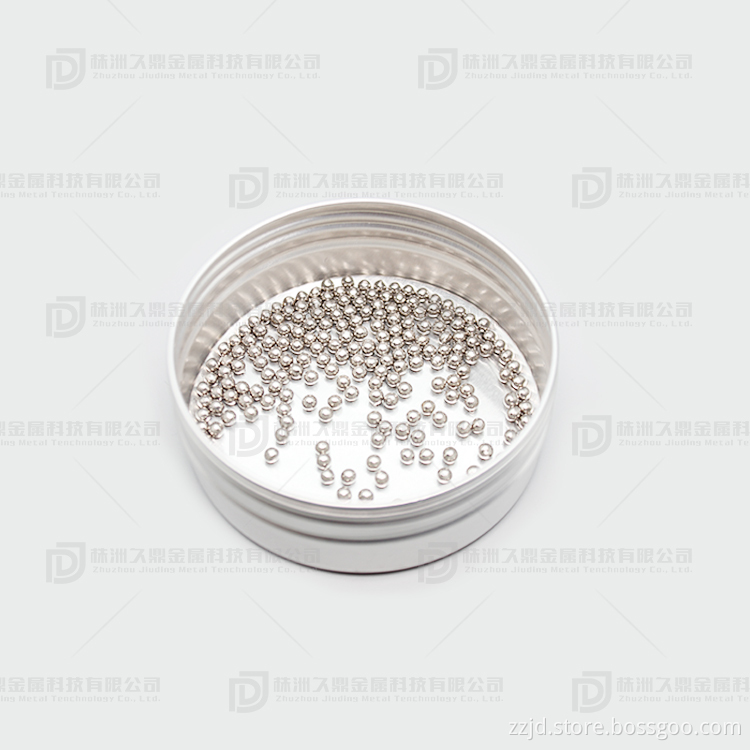
Bismuth alloys are specialized metal mixtures primarily composed of bismuth, often combined with lead, tin, cadmium, or other low-melting-point metals to achieve specific physical properties. These materials are renowned for their unique characteristic of expanding upon solidification—a rare trait in the metallurgical world—alongside exceptionally low melting points and high density.
For procurement managers in industries ranging from medical device manufacturing to aerospace safety systems, bismuth alloys offer a critical solution where precision casting, radiation shielding, or heat-sensitive component integration is required. Unlike traditional structural metals like steel or aluminum, bismuth-based solutions are engineered for functionality over load-bearing capacity, providing unmatched performance in niche applications such as fusible plugs, surgical tools, and specialized counterweights.
Understanding the distinct advantages of bismuth alloy sourcing ensures your supply chain remains resilient against regulatory restrictions on toxic elements while maintaining high-performance standards. Sourcing from verified manufacturers guarantees consistency in chemical composition, which is vital for reproducible results in high-tolerance manufacturing environments.
Bismuth alloys can be engineered to melt at temperatures as low as 47°C (117°F). This allows for rapid, energy-efficient casting processes that protect heat-sensitive components during assembly and reduce thermal stress on tooling.
Unlike most metals that shrink when cooling, certain bismuth alloys expand slightly. This property ensures perfect replication of mold details, resulting in superior surface finishes and tight dimensional tolerances for intricate parts.
As a replacement for lead and cadmium, bismuth alloys meet stringent global environmental regulations (RoHS, REACH). This simplifies compliance reporting and reduces liability associated with hazardous waste disposal.
With densities reaching up to 9.78 g/cm³, bismuth provides effective X-ray and gamma-ray attenuation. This makes it an ideal material for medical shielding and ballistic applications without the toxicity of lead.
The brittle nature of bismuth crystals aids in chip breaking during machining operations. This leads to faster cycle times, longer tool life, and lower manufacturing costs for finished components.
Bismuth has one of the highest electrical resistivities of any metal. Combined with its thermal properties, this enables precise control in electrical fuses and heating elements where predictable resistance is crucial.
Reliable procurement depends on strict quality control throughout the metallurgical process. Leading manufacturers implement rigorous testing protocols to ensure batch-to-batch consistency, which is non-negotiable for industrial buyers.
Chemical Composition Analysis: Every production lot undergoes spectrographic analysis to verify elemental purity. Deviations beyond ±0.1% are rejected to prevent failures in critical applications like fusible links or medical implants.
Melt Control & Degassing: Advanced melting furnaces with inert gas protection minimize oxidation and hydrogen absorption. This ensures internal soundness and prevents porosity in castings, directly impacting the mechanical integrity of the final product.
Certified Traceability: Full material traceability from raw ingot to finished alloy allows buyers to audit supply chains effectively. Documentation includes Mill Test Certificates (MTC), SDS sheets, and compliance declarations aligned with ISO standards.
Selecting the correct supplier goes beyond price comparison. It requires evaluating technical capability, certification status, and logistical reliability. Here is how procurement teams should evaluate potential partners:
Problem: Variations in the eutectic composition cause the alloy to melt at unpredictable temperatures, leading to casting defects or failed fusible links.
Solution: Require suppliers to perform spectral analysis on every melt. Implement incoming quality control (IQC) tests using differential scanning calorimetry (DSC) to verify phase transformation temperatures before accepting delivery.
Problem: Bismuth oxidizes rapidly when exposed to air at high temperatures, creating dross that contaminates the melt and ruins mold surfaces.
Solution: Specify flux coatings or inert gas shielding (Argon/Nitrogen) during the melting process. Train foundry staff on proper slag removal techniques to maintain melt cleanliness.
Problem: Some bismuth alloys are inherently brittle. If the application requires any impact resistance, standard compositions may fracture under stress.
Solution: Consult with the supplier to modify the alloy formulation. Adding small percentages of antimony, indium, or zinc can sometimes improve toughness without significantly altering the melting point.
Problem: Bismuth is often a byproduct of other mining operations (like copper or tungsten). Fluctuations in primary metal markets can restrict bismuth availability.
Solution: Diversify your supplier base across different geographic regions. Establish long-term supply agreements with buffer stock arrangements to mitigate short-term market shortages.
Used in radioactive seed sources for brachytherapy and specialized surgical instruments. The non-toxic nature makes it safer for healthcare environments compared to lead-based alternatives.
Essential for fusible plugs in fire suppression systems and hydraulic seals in engines. Its predictable melting behavior ensures safety mechanisms activate reliably under extreme heat.
Low-temperature solders based on bismuth allow for assembly of heat-sensitive electronics and glass-to-metal seals without damaging underlying components.
Sprinkler heads and automatic shut-off valves utilize bismuth alloy rods that melt at precise temperatures, triggering emergency responses instantly.
Expandable alloys are used to create complex molds for plastic injection molding. The expansion fills every detail of the cavity, producing high-fidelity prototypes.
Emerging applications in next-generation battery anodes and thermal management systems leverage bismuth's electrochemical properties and thermal conductivity.
Why They Stand Out: With decades of experience in refractory metals and heavy alloys, Zhuzhou Jiuding brings robust manufacturing infrastructure to bismuth alloy production. Their expertise in metal injection molding (MIM) and advanced pressing technologies allows for complex geometries and high-volume consistency.
Certifications: ISO 9001, ISO 14001, ISO 45001, and ISO 13485 certified, ensuring compliance with medical and environmental standards.
Strengths: Strong R&D collaboration with Central South University, advanced quality control labs, and a proven track record in international export markets including North America and Japan.
Why They Stand Out: Niche suppliers focusing exclusively on low-melting-point alloys often offer broader customization options for unique eutectic compositions.
Certifications: Look for ISO 9001 and industry-specific qualifications relevant to your sector (e.g., AS9100 for aerospace).
Strengths: Rapid prototyping capabilities, smaller minimum order quantities (MOQs) for trial runs, and deep expertise in niche applications like dental amalgams or specific solder formulations.
No, bismuth is considered non-toxic and is even used internally in some pharmaceutical products (such as Pepto-Bismol). This makes bismuth alloys an excellent, environmentally safe alternative to lead in applications where human contact or ecological impact is a concern.
Yes, but standard welding techniques may not be suitable due to the low melting point. Brazing or specialized low-temperature soldering is typically recommended. Fusion welding can easily melt the joint, so careful heat management is essential.
Pure bismuth is a single element with a melting point of 271.4°C. Bismuth alloys are mixtures designed to have much lower melting points (often below 100°C) and enhanced mechanical properties like fluidity or expansion characteristics tailored for casting.
Store in a cool, dry place away from direct moisture. While bismuth is resistant to atmospheric corrosion, prolonged exposure to humidity can cause surface oxidation. Keep ingots sealed in their original packaging until ready for use.
Absolutely. Bismuth alloys can be melted down and re-cast multiple times with minimal loss of properties, provided contamination from other metals is avoided. Recycling reduces material costs and supports sustainable manufacturing practices.
About Us
Related Products List
Contact Us

Privacy statement: Your privacy is very important to Us. Our company promises not to disclose your personal information to any external company with out your explicit permission.
Fill in more information so that we can get in touch with you faster
Privacy statement: Your privacy is very important to Us. Our company promises not to disclose your personal information to any external company with out your explicit permission.